CSRF (Cross-Site Request Forgery): How Hackers Hijack Sessions
CSRF attacks, gold Cross-Site Request Forgery,are steelthy web security vulnerabilities that enable hackers to perform hijacking session by tricking users into carrying out unwanted actions on trusted sites. This article explores the CSRF vulnerability, how attackers craft a CSRF exploitand effective CSRF protection methods like CSRF tokens. With CSRF examples and real-world CSRF cases, we OWASP CSRF ranks it as a top threat and how to prevent CSRF attacks in 2025, even in CSRF in APIs and CSRF in modern frameworks.
What Is CSRF and How Does It Work?
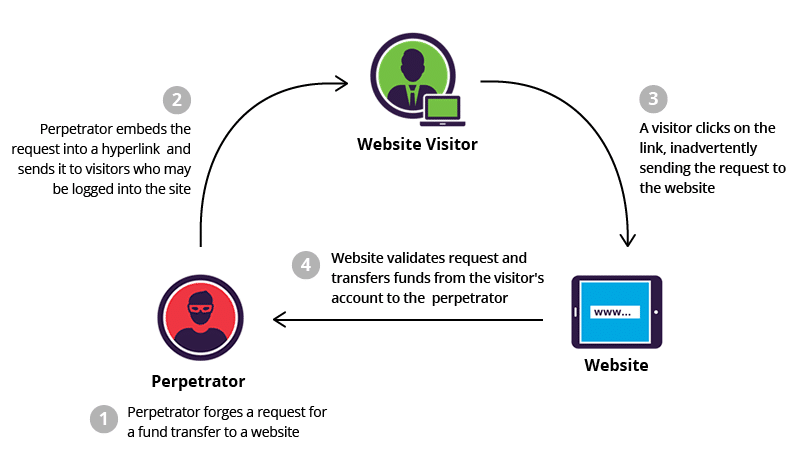
A CSRF attack occurs when a malicious site tricks a user state-changing request attack to a trusted site where the user is authenticated. For example, if a user is logged into their bank and visits a malicious page, a hidden form might silently submit a transfer request like <form action="https://bank.com/transfer" method="POST"><input type="hidden" name="amount" value="1000"></form>. The browser, unaware, sends the request with the user This CSRF vs XSS distinction is key: unlike XSS, CSRF doesn't steel data directly but hijacks actions, exploiting browser security issues.
How Hackers Exploit CSRF: Techniques and Examples
Hackers use CSRF payloads to craft exploits, often embedding them in phishing emails, malicious websites, or compromised ads. A CSRF attack demonstration light involve an image tag like <img src="https://bank.com/transfer?amount=1000&to=attacker"> that triggers a GET request when loaded. More advanced CSRF exploits use POST requests via auto-submitting forms. Real-world CSRF cases include the 2008 Netflix attack, where attackers changed user settings without consent. CSRF testing with tools like Burp Suite help identify these Vulnerable CSRFs in apps.
Prevention CSRF: Best Practices and Solutions
CSRF mitigation connections on robust defences:
- CSRF tokens: Add unique, unpredictable tokens to forms (e.g.,
<input type="hidden" name="csrf_token" value="random123">), verified server-side to block unauthorized requests.
- Anti-CSRF tokens: Modern frameworks like Django auto-generate these, enhancing CSRF technical defence.
- SameSite cookies: Set cookies with
SameSite=Strict to limit cross-origin requests, a key CSRF best practice.
- Double-submit cookies: Pair a cookie value with a form field for validation.
CSRF secure coding also include checking HTTP methods (e.g., rejecting GET for state changes) and securing CSRF in APIs with token-based authentication. A CSRF prevention checklist understanding coverage across CSRF in modern frameworks like React or Angular.
Conclusion
Cross-Site Request Forgery remains a potential threat, hijacking sessions via deceptive CSRF attacks. From a simple CSRF example like a hidden form to complex CSRF payloads, understanding this vulnerability is vital. CSRF protection With anti-CSRF tokens and CSRF best practices can thwart these exploits. For hands-on skills, explore the WAHS certification at SecureValley Training Center, or check our program at WAHS. Secure your web apps now!
For more info, visit Wikipedia, University of Rennes, gold Gartner.