Cart 0
Palo Alto Training – Learn Palo Alto Firewalls in 2025



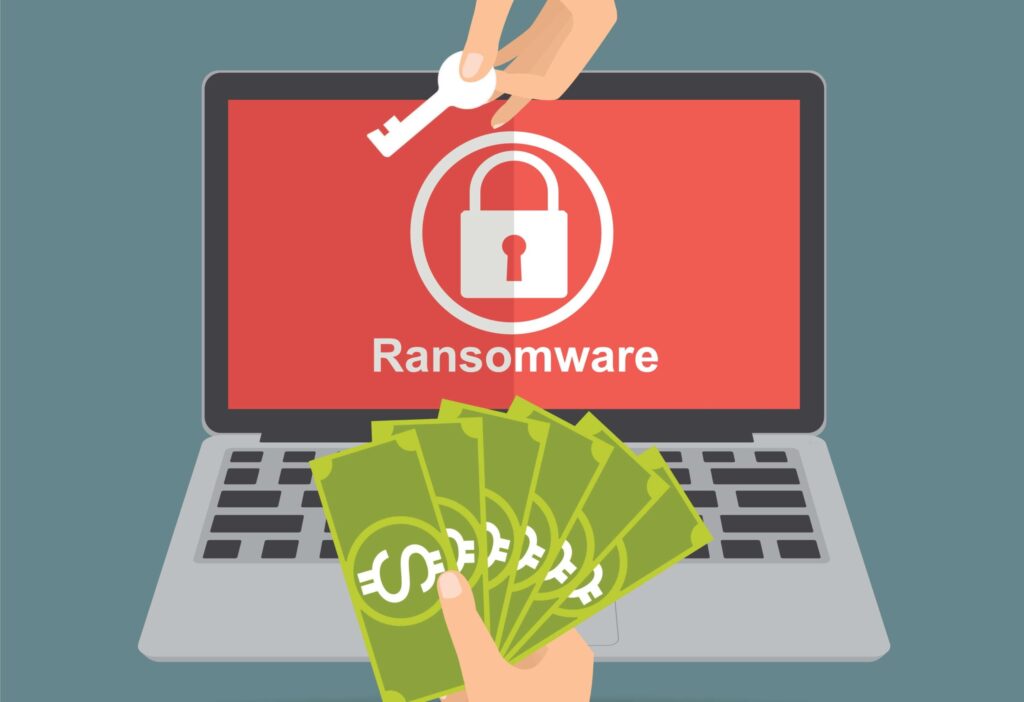
Today, the word ransomware shivers both business leaders and individuals. These computer attacks where hackers encrypt your data to demand a ransom in exchange for their release have become the scourge of the digital world. And it just gets worse. The hackers are becoming smarter, the attacks are more targeted, and the defenses have to keep pace with technological change.
In this article, we dive into the world of ransomware, explore how they have evolved and, above all, we see together how to protect them effectively. Whether you're a cybersecurity student, a pro looking for a job, or curious if this industry can lead you to a stable and well paid job, you're in the right place.
Ransomware, or "ransomware", is a form of malware (malware) that encrypts files from a computer system. The pirate then requires a ransom, often in cryptocurrency, to provide the decryption key. It's not just a bug or an embarrassing virus. — It's pure digital blackmail. And the consequences can be disastrous: total blocking of activities, leakage of sensitive data, damage to reputation...
There are several types of ransomware:
The operation is often simple, but dreadfully effective:
And guess what? In more than 50% of cases, even after payment, files are Never recovered. Hence the crucial importance of prevention.
Ransomware isn't dated yesterday. The very first, "AIDS Trojan", appeared in 1989! But this is from 2013, with CryptoLockerthat the global wave has begun. Since then, methods have been refined, hackers use:
In 2025, even more advanced techniques were observed:
In short, ransomware has become a real industry. And this industry, estimated at several billion dollars, shows no sign of a slowdown.

Ransomware does not just paralyze companies. They affect lives. Imagine a hospital unable to access his patients' medical records, or a paralyzed town hall, unable to issue civil status acts for weeks.
Here are some cold figures in the back:
And that's not all: customer confidencecitizens, patients are hurt. Who would entrust his data to a company that has already been hacked?
The ransomware also impact the Fellowship, the reputation, and may even cause Mass redundancies. In short, they not only steal files: they steal lives, time, money, and peace of mind.
Why are ransomware so common today? The answer is: data. We produce every second, in large quantities. And for hackers, these data are worth gold.
Companies store digital nuggets Sometimes without protecting them. The result: hackers target weak points, poorly configured servers, untrained employees... and hit hard.
Today's ransomware is often preceded by a recognition phase. The hackers explore the network, spot faults, and attack at the right time, sometimes in the middle of the night or during a weekend.
The best defense against ransomware is anticipation. Waiting for an attack to occur to react is like setting an alarm after To be robbed. In 2025, faced with ever more organized hackers, prevention must be active, continuous, and strategically thought out.
It's THE golden rule: always have a copy of his data... but not any way.
A good backup strategy is what can prevent you from paying a ransom. And in many cases, this makes the difference between the survival of a company and its bankruptcy.
In over 90% of cases, a ransomware attack begins... with a human error. An unfortunate click on a trapped link, an open attachment too quickly, a weak password...
Each employee must become a safety sensor. Because a well-trained team is a staggeringly effective human firewall.
Beyond the classic antivirus, here is what you need to deploy:
Large firms often add a SIEM (Security Information and Event Management) SOAR (Security Orchestration Automation and Response) to automate reactions to incidents.
All too often seen as red tape, security policies are in reality the foundation of any cyber defense. Without clear rules, faults appear. And the ransomwares engulfed.
They define:
These policies must be written, disseminated, applied, audited. Above all, they must evolve with threats.
In 2025, to ignore cybersecurity regulations is to run for the legal and financial catastrophe. Depending on your sector, you may be subject to:
Failure to comply can be costly. Very expensive. For example, in 2024 a tech company received EUR 4.5 million fine for negligent access to its databases.
Ransomware has an unexpected consequence: they boost the cybersecurity market. And that's good news for all those looking for a career in this field.
And the wages are as follows:
| Post | Average salary (USD/year) |
|---|---|
| Junior Cybersecurity Analyst | $70,000 |
| Network security engineer | $100,000 |
| Cloud Security Consultant | $120,000+ |
| CISO (Chief Information Security Officer) | $180,000+ |
To obtain these positions, several courses are possible:

Learn from world-class instructors Collaborate with top professionals Advanced training...

Asynchronous, self-study environment Video-streaming format Flexible learning schedule

CPD Certification (Credits): 31 Exam Duration: N/A Retake Exam: Yes...

CPD Certification (Credits): 14 Exam Duration: 1 hour Retake Exam:...