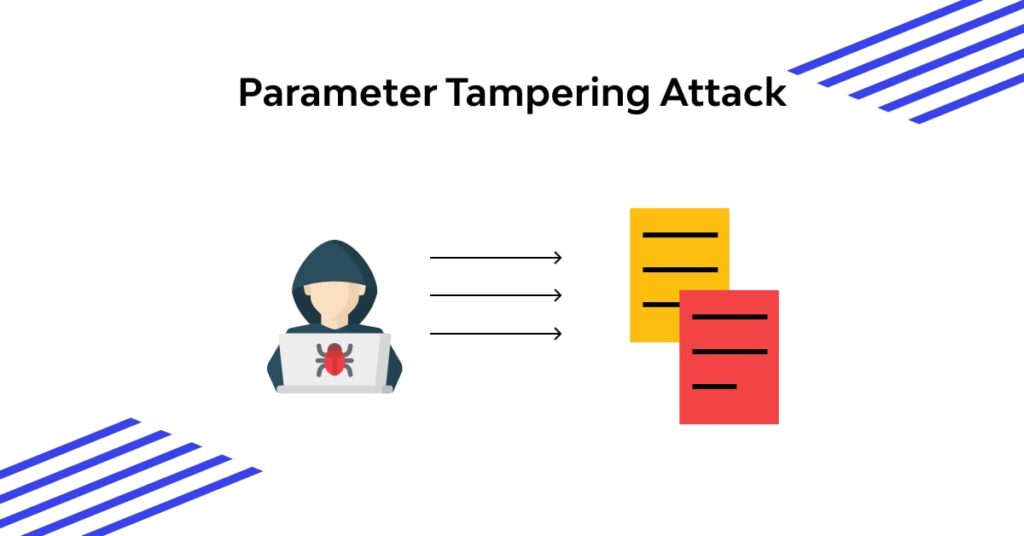
The falsification attacks are sneaky methods used by hackers to modify data in complete discretion, achieving a stealth handling of files without triggering an alert. These attacks on data integrity range from modification of file timing to the falsifying log files, operator of anti-forensic techniques to escape detection. Attackers can use NTFS alternative data stream Windows, attacks on files hidden under Linux, or binary patch attacks to maintain a furtive persistence of malware. In 2025, with increasing reliance on digital systems, threats such aspoisoning configuration files, the database falsification techniquesand the techniques of persistence without a file defy forensic teams. This article explores the functioning of these falsifications, real examples, and the forensic countermeasures to detect and prevent these subtle intrusions.
Why File Falsification Is A Hidden Danger
The falsification attacks threats security by undermining confidence in data integrity. A hacker using the metadata manipulation or falsification of file signatures can alter critical files – such as logs or binaries – without leaving obvious traces. Techniques such as checksum escape methods bypass integrity checks, whileabuse of file permissions or attacks by running condition on files exploit system flaws. In the MFT handling (Master File Table) or falsification of inodesattackers hide their fingerprints in file structures. For organisations, this can mean falsified registers or persistent malware; for slopesters, this is a sophisticated challenge requiring tools such as the detection by entropy analysis.
File Falsification Techniques and Real Examples
This is how attackers realize a stealth handling of files, with key methods and cases:
- Editing File Markings : Change "last modification" dates to hide alterations, often combined with the falsifying log files.
- NTFS Alternative Data Flow : Hides malicious data in streams (e.g. `file.txt:malware.exe`) under Windows.
- Attacks on Hidden Files under Linux : Use point files (e.g. `.hidden`) or falsification of inodes To hide payloads.
- Attacks by Patch Binaire : Edits executables for a system file replacement or insertion of stolen doors.
- Poisoning Configuration Files : Corrupts parameters files (e.g. `/etc/passwd`) to climb privileges.
- Abuse of the Residual Files Space : Stores data in unused disk space, escaping standard scans.
A real case: In 2019, attackers used NTFS alternative data stream to hide a malware in a business network, going unnoticed for months. Tools like file cutting detection help reveal these threats. Pricing Section : In 2025, certifications to master this include: € – 2,500 €), OSCP (2 100 € – 2,500 €), WAHS (500) € - 1,500 €), CISSP (800 € - 1,200 €), CompTIA Security+ (350 € - 400 €). WAHS covers database falsification techniques, while OSCP excels in anti-forensic techniques.
Detect and Prevent Attacks by File Falsification
Stopping attacks on data integrity requires vigilance and forensic countermeasures progress. Here's how to protect your systems:
- Monitor Integrity : Use checksums and hashs to detect the falsification of file signatures or binary patch attacks.
- Secure Permissions : Lockabuse of file permissions with the principle of every privilege.
- Analyze Metadata : Use it detection by entropy analysis to identify the metadata manipulation.
- Audit File Systems : Check the NTFS alternative data stream orabuse of residual file space with forensic tools.
- Train Experts : WAHS teaches defenses against the furtive persistence of malware.
For more information, see Wikipedia or Gartner. LUniversity of Rennes 1 offers relevant training.
Conclusion
The falsification attacks allow hackers to manipulate data without being detected, falsifying log files topoisoning configuration files. Techniques such as attacks on files hidden under Linux, the MFT handlingand the techniques of persistence without a file even challenge experienced defenders. With the checksum escape methods and attacks by running condition on filesThe stakes are high. Certifications as WAHS and OSCP give you forensic countermeasures to retaliate. Explore them certification cybersecurity training in SecureValley Training Center to protect your data today!