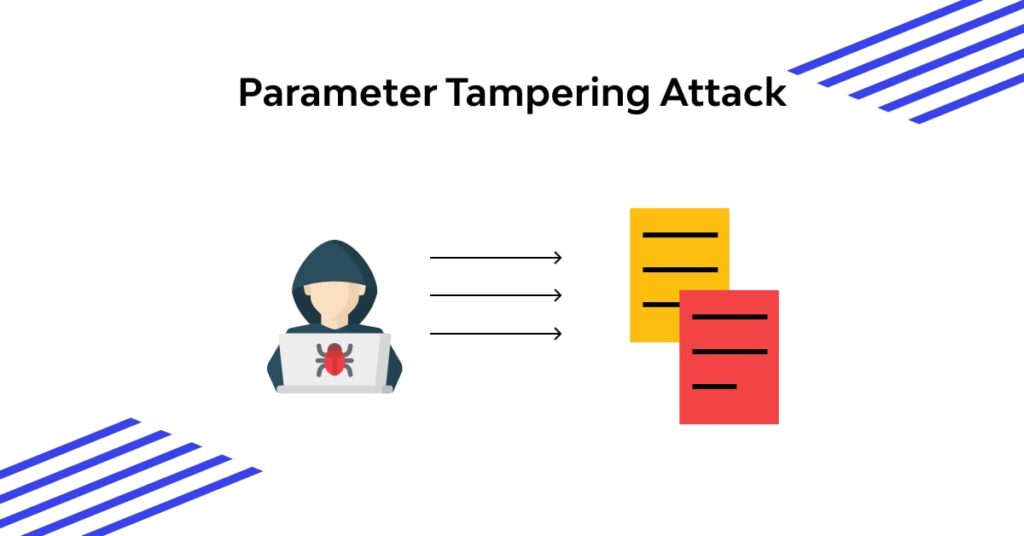
File stamping attacks are insidious methods hackers use to alter data silently, having steel file manipulation without grapes alarms. These data integrity attacks range from file timestamp modification To log file stamping, raising anti-forensic techniques evade detection. Attackers might employ NTFS alternate data streams on Windows, Linux hidden file attacks, gold binary patching attacks to maintain health malware persists. In 2025, with growing link on digital systems, threats like configuration file poisoning, technical database stamping, and technical fileless persistence challenge forensic teams. This article explores how stamping works across platforms, real-world examples, and forensic countermeasures to detect and prevent these subtle intrusions.
Why File Tampering Is a Hidden Danger
File stamping attacks threats security by undermining trust in data integrity. A hacker using metadata manipulation gold file signature spoofing can alter critical files—like logs or binaries—without leaving obvious traces. Techniques such as checkssum evasion methods bypass integrity checks, while file permission abuse gold race condition file attacks exploit system weaknesses. In MFT manipulation (Master File Table) inode stamping, attackers hide their footprints in filesystem structures. For organizations, this could mean forged records or persist malware; for slopesters, its a sophisticated challenge requiring tools like entropy analysis detection to uncover.
File Tampering Techniques and Real-World Examples
Here steel file manipulation, with key methods and boxes:
- File Timestamp Modification: Alters `last modified` dates to hide changes, often paired with log file stamping.
- NTFS Alternative Data Streams: Hides malicious data in file streams (e.g., `file.txt:malware.exe`) on Windows.
- Linux Hidden File Attacks: Use dot files (e.g., `.hidden`) or inode stamping to conceal payloads.
- Binary Patching Attacks: Executable amendments for system file replacement or backdoor insertion.
- Configuration File Poisoning: Corrupts settings files (e.g., `/etc/passwd`) to escalate privileges.
- File Slack Space Abuse: Stores data in unused disk space, evading standard scans.
A real-world case: In 2019, attachers used NTFS alternate data streams to hide malware in a corporate network, undetected for months. Tools like file carving detection help uncover such threats. Pricing Section: In 2025, certifications to master this include: CEH (2,000 € – 2,500 €), OSCP (2,100 € – 2,500 €), WAHS (500) € - 1,500 €), CISSP (800 € - 1,200 €), CompTIA Security+ (350 € - 400 €). WAHS covers technical database stamping, while OSCP excels in anti-forensic techniques.
Detecting and Preventing File Tampering Attacks
Stopping data integrity attacks require vigilance and advanced forensic countermeasures. Here, how to protect your systems:
- Monitor Integrity: Use checksums and hashes to detect file signature spoofing gold binary patching attacks.
- Secure Permissions: Lock down file permission abuse with least-privilege principals.
- Analyze MetadataEmployment entropy analysis detection to spot metadata manipulation.
- Audit Filesystems: Check for NTFS alternate data streams gold file slack space abuse with forensic tools.
- Train Experts: WAHS teaches defenses against health malware persists.
For more, see Wikipedia gold Gartner. The University of Rennes 1 offers reporting training.
Conclusion
File stamping attacks enable hackers to manipulate data undetected, from log file stamping To configuration file poisoning. Technology like Linux hidden file attacks, MFT manipulation, and technical fileless persistence challenge even seasoned defenders. With checkssum evasion methods and race condition file attacks, the stakes are high. Certifications like WAHS and OSCP team you with forensic countermeasures to fight back. Explore cybersecurity certification training at SecureValley Training Center to safeguard your data today!