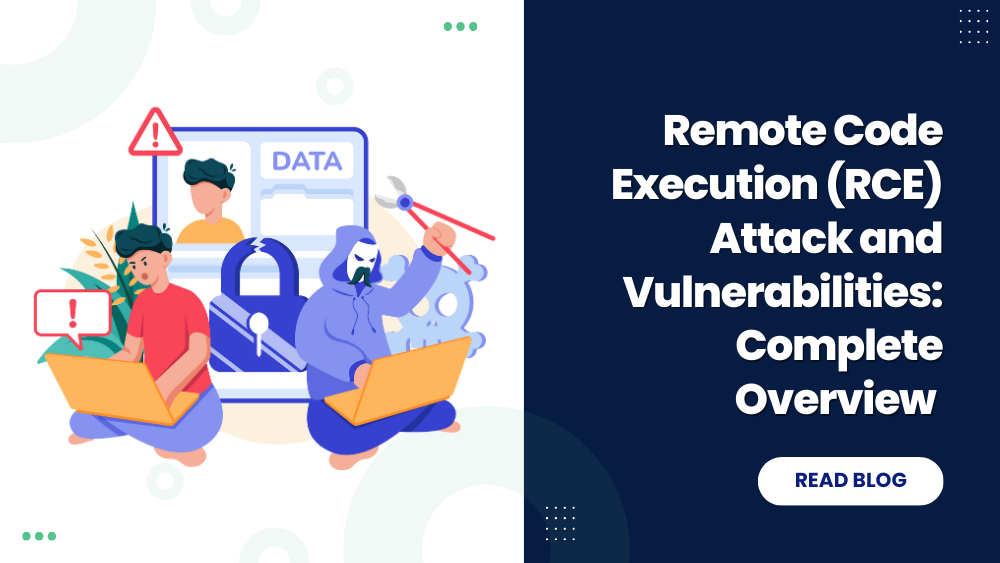
The NCE attacks, or Remote Code Execution (remote code execution), are among the most serious cybersecurity threats. By operating a NCE vulnerabilitya hacker can execute malicious commands or scripts on a remote server or device, thus taking full control of the system. These attacks can occur in many ways: NCE via injection in a web application, NCE in APIs poorly secured, or NCE via file upload on a platform like NCE in WordPress. They also affect NCE in CMS popular as modern environments like NCE in containers or NCE in the Cloud. In 2025, with the rise of connected technologies like NCE in IoT systems and NCE in KubernetesThese attacks are becoming even more critical. This article details the mechanisms ofNCE operationillustrates real scenarios, and proposes strategies to protect them effectively.
Why NCE Attacks Are So Dangerous
One NCE attack is particularly dangerous because it offers the attacker almost unlimited power over the target. Imagine a hacker running commands to delete files, steal sensitive data, or install ransomware. For example, NCE via deserialization in an application in NCE in Java can compromise an entire server, while a NCE via SSRF in NCE in microservices can expose critical infrastructures. Their dangerousness is further amplified by exploits such as NCE zero-day, which strike before patches are available, or by configuration errors in systems like NCE in VPNs. For businesses, this can mean massive financial losses or damage to reputation. For security professionals, detecting and neutralizing these flaws is an essential skill in a constantly changing digital landscape.
NCE Attack Techniques: Analysis and Examples
MethodsNCE operation are varied and adaptable to targeted technologies. Here is a detailed analysis of the main techniques, accompanied by concrete examples:
- NCE via Injection : A command injection or SQL allows to execute arbitrary code. Very common in NCE in CMS Like Drupal or Joomla.
- NCE via File Upload : An attacker uploads a malicious script (for example, a PHP file) which is then executed by the server. A classic in NCE in WordPress.
- NCE via Deserialization : Exploits unsecured deserialized data to execute code. Common in NCE in Java (via libraries like Apache Commons) and NCE in Python (pickle)
- NCE via SSRF Use server queries to trigger remote execution. A key vector in NCE in the Cloud or NCE in microservices.
- NCE in Kubernetes : Operates low configurations in Kubernetes containers or APIs to execute commands at the system level.
- NCE via Templates : Targets template engines like Jinja or Twig, often used in NCE in databases or web applications.
- NCE via Log Poisoning : Injects code into newspapers which is then executed by an interpreter, a subtle but effective method.
Pricing Section : In 2025, certifications for training in these attacks included: € – 2,500 €), OSCP (2 100 € – 2,500 €), WAHS (500) € - 1,500 €), CISSP (800 € - 1,200 €), CompTIA Security+ (350 € - 400 €). WAHS excels in scenarios like NCE in APIs, while the OSCP is known for its labs on NCE zero-day and NCE in containers.
How to Protect Against NCE Attacks
Preventing NCE vulnerability requires a combination of good practice and ongoing vigilance. Concrete measures to reduce risks include:
- Filter and Validate Entries : Use set queries to block NCE via injection and limit dangerous characters.
- Secure Uploads : Check file types and run antivirus scans to counter NCE via file upload.
- Update Regularly : Apply the last patches to avoid exploits in NCE in WordPress, NCE in VPNs, or NCE in IoT systems.
- Restrict Privileges : Minimize application permissions to limit the impact of a NCE in Kubernetes or NCE in the Cloud.
- Training : Certifications such as WAHS or OSCP offer practical labs to detect and neutralize NCE in microservices or NCE via WebSockets.
To deepen your knowledge, consult Wikipedia for an overview, or analyses of Gartner on cyber security trends. The programmesUniversity of Rennes 1 also provide strong academic training.
Conclusion
The NCE attacks give hackers complete control through techniques like NCE via LFI, NCE in databases, or NCE via WebSockets. Whether in traditional environments like NCE in CMS or modern systems such as NCE in IoT systems and NCE in KubernetesThese vulnerabilities remain a major concern. Certifications as WAHS and OSCP equip you with the skills to identify and address these threats. Do not delay: discover the certification cybersecurity training in SecureValley Training Center and protect your systems from theremote code execution Today!