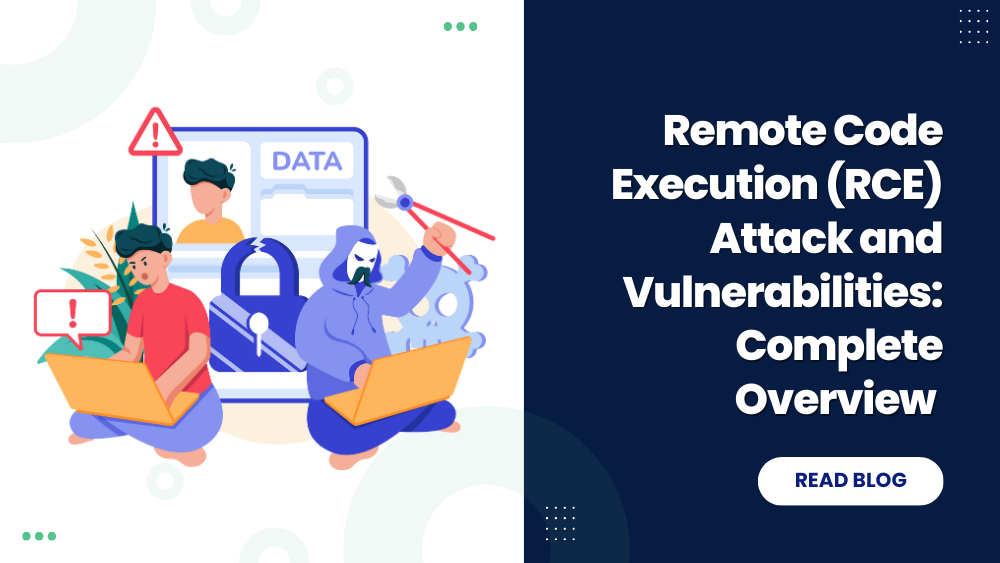
NCE attacks, gold Remote Code Execution, are among the most several threats in cybersecurity. By exploiting a NCE vulnerability, a hacker can run malicious code on a remote system, sheathing complete control. These attacks come in many forms: NCE via injection in web applications, NCE in APIs with poor security, gold NCE via file upload on platforms like NCE in WordPress. They target a wide range of systems, from NCE in CMS to modern environment like NCE in containers and NCE in the Cloud. In 2025, with the rise of connected technologies such as NCE in IoT systems and NCE in Kubernetes, understanding these NCE operating techniques is more critical than ever. This article breaks down how NCE works, provides real-world examples, and offers strategies to protect against this devastating threat.
Why NCE Attacks Are So Dangerous
Year NCE attack is exceptionally dangerous because it means attackers unrestricted power over a system. Picture a hacker running commands to delete files, steel sensitive data, or deploy ransomware. For instance, year NCE via deserialization in a NCE in Java application can compromise an entire server, while year NCE via SSRF in NCE in microservices might expose critical infrastructure. The threat is heightened by NCE zero-day exploits, which strike before patches are available, and by common misconfigurations in systems like NCE in VPNs. For businesses, this can lead to massive financial loses or reputational damage. For security professionals, identifying and mitigating these vulnerabilities is a top priority in today's fast-evolving digital landscape.
NCE Attack Techniques: Analysis and Examples
NCE operating techniques vary wide and adapted to the targeted technology. Here的s a detailed look at the most common methods, with practical examples:
- NCE via Injection: Command or SQL injection allows arbitrary code execution. Common in NCE in CMS like Drupal or Joomla.
- NCE via File Upload: An attacker uploads a malicious script (e.g., a PHP file) that the server executes. A frequent issue in NCE in WordPress.
- NCE via Deserialization: Exploits insecure deserialization to run code. Prevalence in NCE in Java (e.g., Apache Commons) and NCE in Python (pickle)
- NCE via SSRF: Use server-side requests to trigger remote execution. A key vector in NCE in the Cloud and NCE in microservices.
- NCE in Kubernetes: Targets misconfigured containers or Kubernetes APIs to run system-level commands.
- NCE via Templates: Exploits template engines like Jinja or Twig, often seen in NCE in databases or web apps.
- NCE via Log Poisoning: Injects code into logs that an interpret later executions—a subtle yes effective approach.
Pricing Section: In 2025, certifications to master these attacks include: CEH (2,000 € – 2,500 €), OSCP (2,100 € – 2,500 €), WAHS (500) € - 1,500 €), CISSP (800 € - 1,200 €), CompTIA Security+ (350 € - 400 €). WAHS excels in scenarios like NCE in APIs, while OSCP is renamed for labs on NCE zero-day and NCE in containers.
How to Protect Against NCE Attacks
Preventive year NCE vulnerability require a mix of best practices and ongoing diligence. Here are actionable steps to reduce the risk:
- Filter and Validate Inputs: Use parameterized questions to block NCE via injection and restricted dangerous characters.
- Secure File Uploads: Check file types and run antivirus scans to prevent NCE via file upload.
- Keep Systems Updated: Apply the latest patches to avoid exploits in NCE in WordPress, NCE in VPNs, gold NCE in IoT systems.
- Limit Privileges: Minimum application permissions to reduce the impact of NCE in Kubernetes gold NCE in the Cloud.
- Train Your Team: Certifications like WAHS or OSCP provides hands-on labs to detect and mitigate NCE in microservices and NCE via WebSockets.
For deeper insights, check Wikipedia for an overview, or Gartner for cybersecurity trends. Programs at the University of Rennes 1 also offer robust academic training.
Conclusion
NCE attacks enable hackers to 16 total control through exploits like NCE via LFI, NCE in databases, gold NCE via WebSockets. Whether setting traditional platforms like NCE in CMS or modern systems like NCE in IoT systems and NCE in Kubernetes, these vulnerabilities demand immediate attention. Certifications such as WAHS and OSCP equip you with the skills to identify and counter these threats. Don!—Explore cybersecurity certification training at SecureValley Training Center and safeguard your systems against remote code execution Today!