
Skip links

WEB HACKING AND SECURITY

Blog

Learn more about cyber security

WEB HACKING AND SECURITY
Youssef

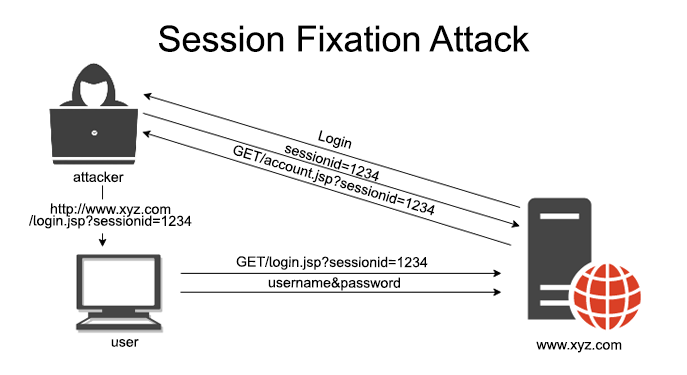
Session Fixing: The Attack That Hijacks User Logins

Session fixation attacks are a shooting session hijacking technique that exploit session ID exploitation to take over user logins. By tricking victims into using a pre-set session ID via a cookie fixation vulnerability, attachments gain unauthorized access once the user authenticates. This web session vulnerability raisings a session management

Read More »
WEB HACKING AND SECURITY
Youssef

The SSL Trap: How Weak Ciphers Leave You Exhibited

SSL/TLS vulnerabilities lurk in outdated encryption, leading systems open to weak cipher operation. Attacks like BEAST attack, POODLE attack, and DROWN attack exploit obsolete encryption attack, compromise data security. Weaknesses such as RC4 cipher risks and CBC mode weaknesses enable MITM via weak ciphers, while SSL stripping and TLS downgrade attacks downgrade protections. In 2025, with TLS

Read More »
File Tampreing
WEB HACKING AND SECURITY
Youssef

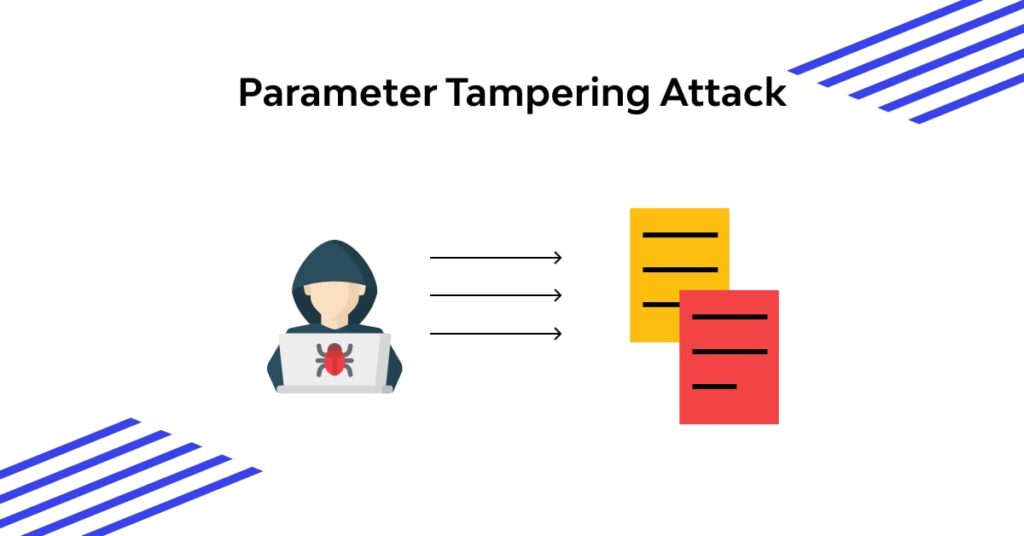
File Falsification Attacks: Handling Data without Detection

File falsification attacks are sneaky methods used by hackers to modify data in complete discretion, performing a stealthy manipulation of files without triggering alerts. These attacks on data integrity range from changing file locks to falsifying files

Read More »
WEB HACKING AND SECURITY
Youssef

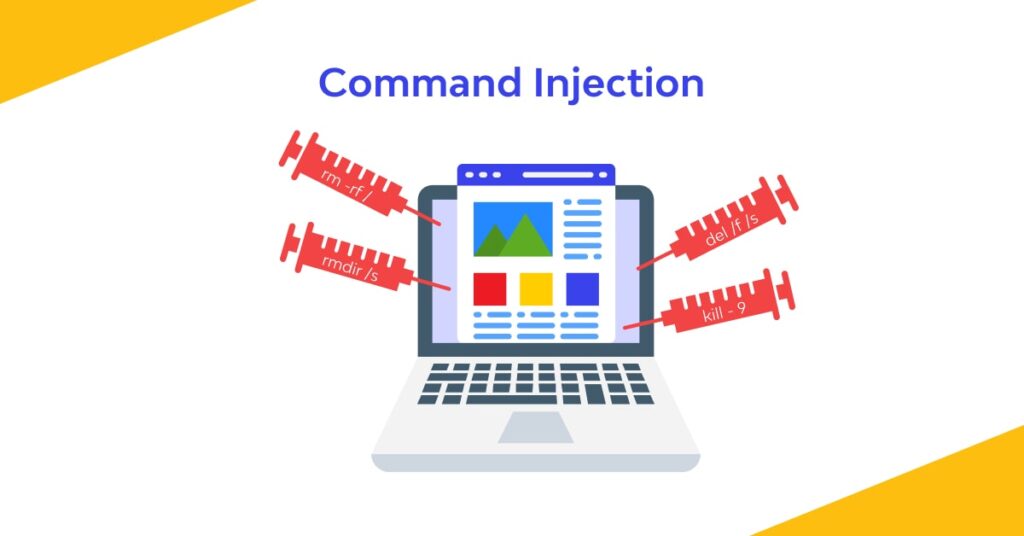
Command Injection: When Input Fields Come System Terminals

Command injection attacks turn innocent input fields into gates for carrying out malicious system commands, a technique known as OS command injection or shell injection. By exploiting invalidated user inputs, attackers can achieve NCE via input fields, running commands like `whoami` or `rm -rf` directly on

Read More »
WEB HACKING AND SECURITY
Youssef

Log Poisoning: How Hackers Manipulate Your Audit Trails

Log poisoning attacks are a steelthy method hackers use to manipulate audit trail manipulation, turning a system By injecting malicious data into log files—unknown as log file injection—attachers can escalate privileges, execute code, or cover their tracks. Techniques like LFI

Read More »
WEB HACKING AND SECURITY
Youssef

Directory Brute-Forcing: Uncovering Hidden Files

Directory brute-forcing, also known as a directory brute force attack, is a powerful technique to discover hidden files on a web server. By systematically testing directory and file names with directory brute forcing tools like DirBuster Kali, Gobuster commands, or WFuzz directory brut forcing, attackers and slopes can

Read More »
Remote Code Enforcement NCE Attack
WEB HACKING AND SECURITY
Youssef

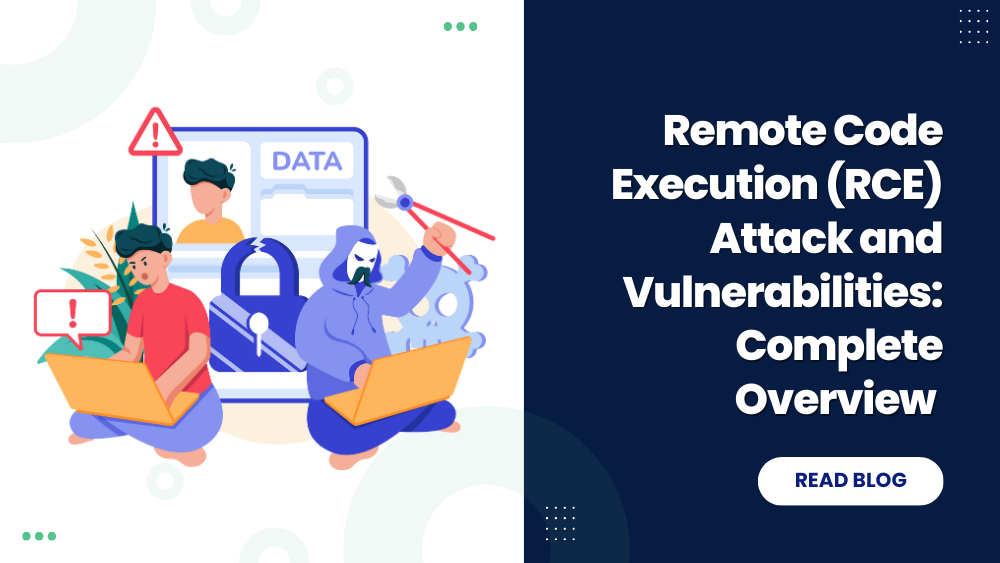
NCE Attacks: When Hackers Take Total Control

NCE attacks, or Remote Code Enforcement, are among the most several threats in cybersecurity. By exploiting a NCE vulnerability, a hacker can run malicious code on a remote system, sheathing complete control. These attacks come in many forms: NCE via injection in web applications, NCE

Read More »

From User to Admin: Privilege Escalation Techniques

Moving from a regular user to an admin on a web application, or web privilege escalation, is a prime goal for attackers and security testers alike. Whether through SQL injection for privileges, authentication bypass, or admin cookie modification, these techniques exploit common vulnerabilities to

Read More »
This website uses cookies to improve your web experience.
EnglishenEnglishEnglish
0